
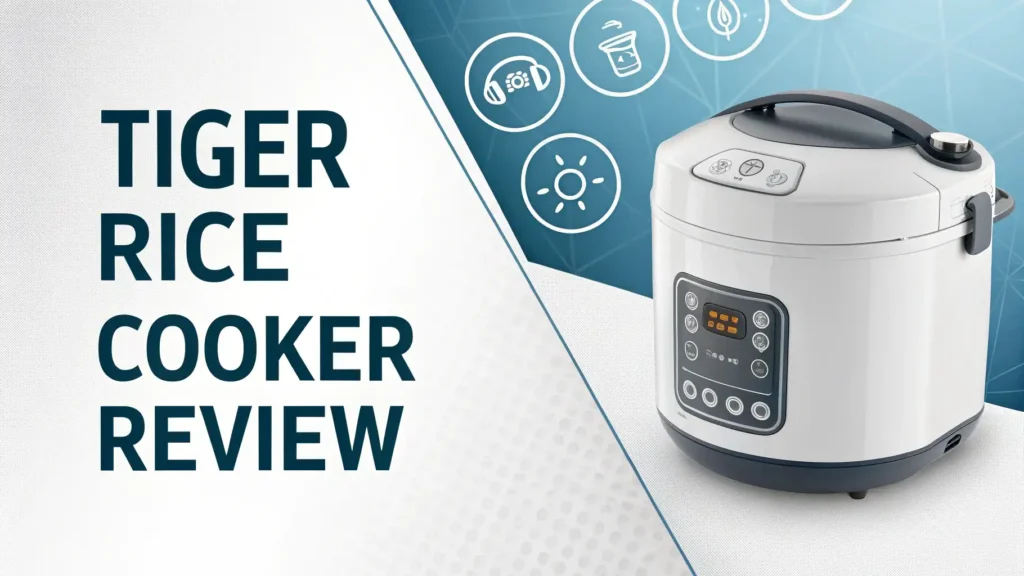
Tiger Rice Cooker Review 2026: Perfect Rice Every Time?
Are you tired of mushy, undercooked, or burnt rice? You’re not alone. Many home cooks struggle with achieving that perfect fluffy texture until they discover the magic of a quality rice cooker. Tiger rice cookers have been making waves in kitchens worldwide, earning praise from professional chefs and home cooks alike. But with so many models and features available, how do you know if a Tiger rice cooker is right for you?
In this detailed review, we’ll explore everything you need to know about Tiger rice cookers in 2026. Whether you’re a rice enthusiast who enjoys different varieties or a busy parent looking for convenience, this guide will help you make an informed decision. We’ll dive deep into the features, benefits, and real user experiences to help you understand why Tiger has remained a trusted name in rice cooking technology for over 50 years.
Key Takeaways
Before we dive into the details, here are the most important points you should know about Tiger rice cookers:
Japanese Quality and Craftsmanship: Tiger maintains strict manufacturing standards with most models made in Japan, ensuring durability and reliability that can last 15 years or more with proper care.
Innovative Tacook Technology: The unique synchronized cooking system allows you to prepare complete meals by cooking rice and a side dish simultaneously without flavor transfer.
Microcomputer Intelligence: Advanced sensors and Automatic Cooking Logic technology adjust cooking time and temperature based on the rice type and quantity for perfect results every time.
Versatile Cooking Functions: Beyond white rice, these cookers handle brown rice, mixed rice, porridge, slow cooking, and even steaming with multiple preset modes for different dishes.
Easy Maintenance Design: Most models feature non-stick inner pots, removable steam vents, and dishwasher-safe accessories that make cleanup quick and hassle-free.
Why Tiger Rice Cookers Stand Out in 2026
Tiger Corporation has been perfecting rice cooking technology since 1923. The company’s commitment to quality shows in every detail of their rice cookers. Unlike cheaper alternatives that simply heat rice until done, Tiger rice cookers use sophisticated microcomputer technology to monitor and adjust cooking conditions throughout the process.
What makes Tiger truly special is their dedication to innovation without compromising simplicity. Their rice cookers combine advanced features with intuitive controls that anyone can master. The brand focuses on creating appliances that deliver restaurant-quality results in your home kitchen.
Tiger rice cookers utilize far-infrared radiation technology in their ceramic inner pots. This technology provides about four times the heating efficiency of standard metal pots. The result is rice where each grain is heated thoroughly to the core, creating that coveted fluffy texture with perfectly separated grains.
The brand’s reputation for durability means your investment pays off over time. Many users report their Tiger rice cookers lasting 15 years or more, making them excellent value despite higher initial costs compared to basic models.
Tiger JBV-A10U Micom Rice Cooker: The Crowd Favorite


Last update on 2026-10-13 / Affiliate links / Images from Amazon Product Advertising API
The Tiger JBV-A10U stands as one of the most popular models in the Tiger lineup for 2026. This 5.5-cup capacity rice cooker earned its reputation through consistent performance and thoughtful design features that make daily rice cooking effortless.
This model uses microcomputer technology to automatically adjust cooking parameters based on what you’re making. Whether you’re cooking jasmine rice for dinner or brown rice for meal prep, the JBV-A10U adapts to deliver optimal results. The Automatic Cooking Logic system continuously monitors cooking temperatures to prevent overcooking or undercooking.
The 4 cooking menu settings include synchronized cooking with the Tacook plate, plain rice, brown rice, and slow cooking functions. This versatility transforms your rice cooker into a multi-purpose cooking appliance. The slow cooking function works beautifully for soups, stews, and even desserts.
Users consistently praise the automatic keep warm function that maintains ideal serving temperature for up to 12 hours without drying out the rice. The scratch-resistant inner pot features aluminum construction with fluorine coating that prevents sticking and makes cleanup simple.
The included Tacook cooking tray represents one of Tiger’s most innovative features. This BPA-free tray sits above the rice, allowing steam to cook proteins or vegetables while your rice cooks below. You can have chicken, fish, or steamed vegetables ready at the same time as your rice, and the flavors don’t transfer between the two.
Understanding the Tacook Technology Revolution
The Tacook synchronized cooking system changed how people think about rice cookers. Traditional rice cookers do one thing, but Tiger recognized that busy families need efficiency. Tacook technology allows you to create complete meals with minimal effort and cleanup.
The special perforated cooking plate sits above the rice during cooking. Steam rises from the rice below and cooks whatever you place on the tray. You can prepare salmon, chicken breast, vegetables, or even dumplings this way. The design ensures flavors stay separate, so your rice tastes like rice, not fish or vegetables.
This technology saves significant time and energy. Instead of using multiple pots and pans, you prepare everything in one appliance. Cleanup becomes easier with fewer dishes to wash. The Tacook plate is dishwasher safe, making post-meal cleanup even simpler.
Tiger provides recipe guides specifically designed for Tacook cooking. These recipes show you how to create balanced meals with proper timing for both the rice and your protein or vegetables. Many users report this feature alone justifies the investment in a Tiger rice cooker.
The steam cooking method also offers health benefits. Steaming preserves more nutrients compared to boiling or frying. You can prepare healthy meals without added oils or fats while maintaining natural flavors and textures.
Top 3 Alternatives for Tiger Rice Cooker
While Tiger rice cookers offer exceptional quality, you might want to consider other options based on your specific needs and budget. Here are three excellent alternatives:

Last update on 2026-10-13 / Affiliate links / Images from Amazon Product Advertising API

Last update on 2026-10-13 / Affiliate links / Images from Amazon Product Advertising API

Last update on 2026-10-13 / Affiliate links / Images from Amazon Product Advertising API
Exploring Different Tiger Rice Cooker Models
Tiger offers several models to suit different household sizes and cooking needs. Understanding these options helps you choose the perfect fit for your kitchen.
The 3-cup capacity models like the Tiger JNP-S55U work perfectly for singles, couples, or small families. These compact units take up minimal counter space while delivering the same quality cooking technology as larger models. The smaller capacity also means faster cooking times and less energy consumption.
5.5-cup models represent the sweet spot for most families. Models like the JBV-A10U and JBV-S10U provide enough capacity for family dinners while remaining manageable in size. These mid-range cookers typically include the most popular features without overwhelming users with complexity.
For larger households or those who meal prep, 10-cup capacity models like the JBV-S18U offer serious cooking power. These larger units work great for entertaining, batch cooking, or families with hearty appetites. Despite their size, they maintain the same cooking precision as smaller models.
Induction Heating models represent Tiger’s premium tier. These advanced cookers use electromagnetic induction to heat the entire inner pot evenly. The JKT-D series IH models provide enhanced temperature control and faster cooking times. They cost more but deliver restaurant-quality rice with incredible consistency.
Cooking Performance: White Rice to Brown Rice and Beyond
Tiger rice cookers excel across different rice varieties. The microcomputer technology adjusts cooking parameters automatically based on the selected menu setting, ensuring optimal results regardless of rice type.
White rice cooking produces consistently fluffy results with perfectly separated grains. The rice emerges with ideal texture, neither mushy nor too firm. Users note that Tiger cookers create rice with a subtle sweetness that cheap rice cookers cannot match. The keep warm function maintains this quality for hours without drying or hardening.
Brown rice requires longer cooking times and different heat distribution. Tiger rice cookers shine here, with many reviewers noting they produce the best brown rice compared to other brands. The dedicated brown rice setting provides the extended cooking time and precise temperature control needed for properly cooked whole grains.
The mixed rice setting accommodates various grain combinations. You can cook rice with quinoa, barley, or other grains mixed in. The cooker adjusts to handle different absorption rates and cooking times, producing evenly cooked results throughout the mixture.
Porridge or congee settings transform your rice cooker into a breakfast appliance. These settings use lower heat over longer periods to create creamy, comforting rice porridge. You can customize consistency by adjusting water ratios, and the cooker maintains perfect texture without constant stirring.
The Science Behind Perfect Rice Cooking
Understanding how Tiger rice cookers work helps you appreciate the technology inside. These appliances go far beyond simple heating elements.
Microcomputer sensors continuously monitor temperature throughout the cooking process. The system recognizes different cooking stages from initial heating through absorption and steaming. It adjusts heat output automatically to maintain ideal conditions at each stage.
Automatic Cooking Logic represents Tiger’s proprietary cooking algorithm. This system accounts for variables like rice type, quantity, and even room temperature. The cooker makes real-time adjustments to ensure perfect results regardless of these variables.
The ceramic inner pot coating provides superior heat distribution compared to standard aluminum pots. The far-infrared radiation effect penetrates each grain thoroughly, cooking rice evenly from the inside out. This technology prevents the common problem of burnt bottoms with undercooked tops.
Precise heat control during the final steaming phase determines final texture. Tiger cookers maintain exact temperatures during this critical period when excess moisture evaporates and grains firm up to ideal consistency. This precision separates quality rice cookers from basic models.
Build Quality and Durability That Lasts
Tiger’s commitment to Japanese manufacturing standards shows in every component. Users report rice cookers lasting 15 years or more with regular use, making them exceptional long-term investments.
The stainless steel exterior resists scratches, stains, and daily wear. Unlike plastic-bodied cookers that yellow and crack over time, Tiger’s metal construction maintains appearance and structural integrity for years. The finish wipes clean easily and maintains its shine.
Internal components receive the same attention to quality. Heating elements maintain consistent output over thousands of cooking cycles. Seals and gaskets resist degradation, maintaining proper pressure and steam control. The microcomputer boards prove reliable, with electronic failures being extremely rare.
The retractable power cord on many models demonstrates thoughtful design. This feature keeps cords organized and prevents damage from constant coiling and uncoiling. Small details like this contribute to longevity and user satisfaction.
Tiger uses high-quality non-stick coatings that withstand years of use without flaking or degrading. Cheaper cookers often require inner pot replacement after a year or two, but Tiger pots maintain their non-stick properties much longer with proper care.
User-Friendly Features for Daily Convenience
Tiger designs rice cookers with practical convenience features that enhance daily use. These thoughtful touches make cooking easier and more enjoyable.
The LCD display on advanced models provides clear information about cooking status. You can see time remaining, current function, and any alerts. The display remains readable from various angles, even in bright kitchen lighting.
Programmable timer functions allow you to add rice and water in the morning and have fresh rice ready when you return home. The cooker starts automatically at the programmed time, ensuring hot rice precisely when needed. This feature proves invaluable for busy families with tight schedules.
Multiple menu buttons provide one-touch access to different cooking modes. You don’t need to consult manuals or remember complex procedures. Select your rice type, press start, and the cooker handles everything else. This simplicity encourages regular use and experimentation with different rice varieties.
The measuring cup and rice spatula included with Tiger cookers are specially designed for optimal results. The measuring cup ensures proper rice-to-water ratios, while the spatula’s shape and material prevent damage to the non-stick coating during serving.
Audio alerts signal when cooking completes. Some models offer volume control or the option to disable sounds completely for quiet morning cooking. These customization options accommodate different household preferences.
Cleaning and Maintenance Made Simple
Proper maintenance extends your rice cooker’s life and ensures consistent performance. Tiger designs their cookers for easy cleaning that takes just minutes after each use.
The removable inner pot goes straight to the sink for washing. Most models feature dishwasher-safe pots, though hand washing with mild soap extends coating life. The non-stick surface releases stuck rice easily with warm water soaking, eliminating the need for aggressive scrubbing.
Removable steam vents prevent clogging and maintain proper pressure control. These components detach easily for thorough cleaning under running water. Clean vents ensure steam escapes properly during cooking, preventing overflow or uneven cooking.
The heating plate at the bottom requires occasional attention. Wipe this surface with a damp cloth to remove any rice residue or mineral deposits. Keeping this area clean ensures even heat distribution and prevents strange odors during cooking.
Exterior cleaning involves simple wiping with a damp cloth. Avoid abrasive cleaners that could damage the finish. For stubborn spots, mild dish soap works effectively without harming the surface.
The lid assembly may have removable components depending on your model. Some lids detach completely for deep cleaning, while others require wiping the underside after each use. Consult your manual for specific cleaning instructions for your model.
Comparing Tiger to Other Premium Brands
How does Tiger stack up against other high-end rice cooker manufacturers? Understanding these differences helps you make informed choices.
Zojirushi rice cookers represent Tiger’s main competition. Both brands manufacture in Japan and offer similar quality levels. Zojirushi models often include more menu options and advanced features, but they typically cost more. Tiger focuses on essential features done exceptionally well at slightly lower prices.
Cuckoo rice cookers from Korea provide another premium option. Cuckoo specializes in pressure rice cookers that cook faster than conventional models. However, many users prefer the texture produced by Tiger’s non-pressure cooking method. The choice often comes down to whether you prioritize speed or traditional texture.
Tiger’s Tacook technology provides a unique advantage over most competitors. While other brands offer steamer baskets, none match the synchronized cooking capability of the Tacook system. This feature alone attracts many users to Tiger specifically.
In blind taste tests, Tiger rice often scores as well or better than more expensive models. Professional reviewers consistently note that Tiger cookers produce excellent rice quality without premium price tags. The value proposition becomes clear when comparing performance to cost.
Durability stands as another Tiger strength. While all premium brands build quality products, Tiger’s reputation for decade-plus lifespans gives confidence in long-term reliability. The made-in-Japan designation provides assurance about manufacturing standards.
Energy Efficiency and Environmental Considerations
Modern consumers care about energy consumption and environmental impact. Tiger rice cookers perform well in these areas compared to traditional cooking methods.
Electricity usage remains minimal during cooking. Rice cookers use less energy than stovetop methods because they cook more efficiently with better insulation. The keep warm function uses very little power, making it economical to maintain serving temperature for hours.
Reduced water waste occurs because rice cookers use precise water measurements. You don’t need excess water that gets drained away like with pasta-style rice cooking. This efficiency matters in areas with water conservation concerns.
The longevity of Tiger rice cookers provides environmental benefits through reduced waste. Appliances that last 15 years prevent multiple cheaper replacements from ending up in landfills. This durability makes Tiger cookers more sustainable despite higher initial costs.
Multi-cooking capabilities reduce the need for multiple appliances. Using your rice cooker for slow cooking, steaming, and porridge means fewer single-purpose appliances cluttering your kitchen and consuming resources.
Tiger uses recyclable materials in construction where possible. The metal body and components can be recycled at end of life, unlike heavily plastic models. This consideration supports circular economy principles.
Price Points and Value Analysis
Tiger rice cookers span various price ranges depending on capacity and features. Understanding the value proposition helps justify the investment.
Entry-level models like the 3-cup JNP series start around $50-70. These basic models lack microcomputer technology but still offer reliable cooking and Tiger build quality. They work well for budget-conscious buyers or those wanting simplicity above all.
Mid-range Micom models like the JBV-A10U typically cost $100-130. These represent the sweet spot for most buyers, offering advanced features, Tacook technology, and excellent cooking performance without extreme prices. The value becomes clear when you calculate cost per year over a 10-15 year lifespan.
Premium IH models range from $200-350 or more. These top-tier cookers use induction heating technology for ultimate precision. They suit serious rice enthusiasts or households where rice forms a dietary staple. The investment makes sense when you consider the quality improvement and versatility.
Replacement parts remain reasonably priced and readily available. Inner pots, steam vents, and other wear items can be purchased directly from Tiger. This support extends appliance life and protects your investment.
Comparing cost per meal versus eating out or buying pre-cooked rice shows significant savings. Home-cooked rice costs pennies per serving, and the convenience of a quality rice cooker encourages cooking at home more often.
Common Issues and Troubleshooting Tips
Even quality appliances occasionally face problems. Knowing how to address common issues prevents frustration and extends appliance life.
Undercooked rice usually indicates incorrect water ratios or rice not properly leveled in the pot. Check that you’re using the measuring cup provided with your cooker, as it may differ from standard cup measurements. Ensure rice sits level in the pot before adding water.
Rice sticking to bottom suggests the inner pot coating may be wearing or the heating plate needs cleaning. Check the heating plate for residue and clean thoroughly. If the inner pot shows wear, consider replacement to restore non-stick performance.
Overflow during cooking means too much rice or water for the cooker’s capacity. Never exceed the maximum fill line marked inside the pot. Some rice types expand more than others, so reduce quantity when trying new varieties.
Keep warm function drying rice occurs if rice sits too long or room temperature is very low. Some models have adjustable keep warm settings. Placing a damp cloth over the vent can add moisture if rice must stay warm for extended periods.
Error codes vary by model but typically indicate sensor issues or improper pot placement. Consult your manual for specific code meanings. Simple fixes like reseating the inner pot often resolve error messages.
Maximizing Your Tiger Rice Cooker Investment
Getting the most from your rice cooker involves exploring its full capabilities beyond basic rice cooking.
Experiment with different rice varieties to discover new favorites. Your Tiger cooker handles jasmine, basmati, sushi rice, and wild rice blends equally well. Each variety offers unique flavors and textures for meal variety.
Use the slow cooking function for soups, stews, and even desserts. The gentle, even heat works beautifully for recipes requiring low temperatures over time. You can prepare steel-cut oats overnight or simmer a soup while at work.
Batch cooking and meal prep become effortless with larger capacity models. Cook a week’s worth of rice on Sunday, portion it out, and refrigerate or freeze. Cooked rice reheats beautifully in the microwave or on the stovetop.
Steaming vegetables in the Tacook tray provides healthy side dishes with zero effort. Broccoli, carrots, green beans, and cauliflower steam perfectly while rice cooks. This technique preserves nutrients better than boiling.
Making one-pot meals expands your culinary repertoire. Add vegetables, proteins, and seasonings directly to the rice for pilaf-style dishes. The cooker’s even heating ensures everything cooks through properly.
Real User Experiences and Testimonials
Hearing from actual Tiger rice cooker owners provides valuable insight into long-term satisfaction and real-world performance.
Many users report their Tiger cookers lasting 15 years or more with daily use. One reviewer mentioned replacing a 15-year-old Tiger only because they wanted updated features, not because the original failed. This longevity stands out compared to cheaper brands requiring replacement every few years.
Taste improvements over basic rice cookers get mentioned frequently. Users describe rice as fluffier, with better texture and subtle sweetness. Those switching from stovetop cooking note the consistency rice cookers provide, with perfect results every time.
The Tacook function receives particular praise from busy families. Parents appreciate making complete meals in one appliance, reducing dinner prep time and cleanup. One user described coming home to perfectly cooked rice with steamed chicken and vegetables, creating a balanced meal with minimal morning effort.
Some users note the keep warm function runs hot on certain models, potentially drying rice if left too long. This varies by model, with newer versions offering improved keep warm temperature control. Adding a small amount of water before warming helps maintain moisture.
Ease of cleaning gets consistently positive mentions. The non-stick inner pot releases rice easily, and removable parts simplify thorough cleaning. Users appreciate that quick cleanup encourages using the rice cooker regularly rather than viewing it as a chore.
Making the Right Choice for Your Kitchen
Selecting the perfect Tiger rice cooker depends on your specific needs, household size, and cooking preferences.
Consider your household size first. Singles and couples rarely need more than 3-5 cup capacity. Families of four or more benefit from 5.5-10 cup models. Remember, cup measurements refer to uncooked rice, which roughly doubles when cooked.
Evaluate which features matter most to you. If you want to cook complete meals, prioritize models with Tacook functionality. Those focused solely on rice perfection might prefer simpler models or invest in IH technology for ultimate precision.
Budget considerations should balance initial cost against expected lifespan. A $120 Tiger cooker lasting 15 years costs $8 per year. A $30 basic cooker requiring replacement every 3 years costs $10 per year, plus the hassle of shopping for and setting up new appliances.
Counter space availability matters for kitchen organization. Measure your intended spot before buying, accounting for cord length and steam ventilation. Some models have smaller footprints despite similar capacities.
Future cooking aspirations deserve consideration. If you might experiment with different rice types, slow cooking, or meal prep, choose a model with versatility built in. Growing families might want extra capacity even if current needs seem modest.
Frequently Asked Questions
How long does a Tiger rice cooker take to cook rice?
Cooking time varies by rice type and quantity. White rice typically takes 30-50 minutes including warming time. Brown rice requires 60-90 minutes due to longer cooking needs. Quick cook settings reduce time by about 10-15 minutes but may slightly affect texture.
Can I cook other grains besides rice in my Tiger rice cooker?
Yes, Tiger rice cookers handle quinoa, barley, farro, and other grains effectively. Use the brown rice or mixed rice settings for most alternative grains. Adjust water ratios according to specific grain requirements, usually found on grain packaging.
Is the inner pot dishwasher safe?
Most Tiger inner pots are dishwasher safe, but hand washing extends non-stick coating life. Check your specific model’s manual for recommendations. Use gentle dish soap and soft sponges to avoid scratching the coating.
What’s the difference between Micom and basic Tiger rice cookers?
Micom models use microcomputer technology to automatically adjust cooking parameters. Basic models use simple heat elements with manual controls. Micom cookers produce more consistent results across different rice types and quantities.
How do I prevent rice from sticking to the bottom?
Ensure the inner pot and heating plate are clean before cooking. Use proper water ratios and avoid letting rice sit on keep warm for extremely long periods. Lightly coating the pot with oil before adding rice can help with sticky rice varieties.
Can I use the timer function for all rice types?
Timer functions work with most rice types, but avoid using delay timers with ingredients that spoil quickly. Plain white rice holds well for 12-hour delays. Brown rice and mixed grains also work fine. Avoid delayed cooking when using the Tacook tray with raw proteins.
Does Tiger offer replacement parts?
Yes, Tiger sells replacement inner pots, cooking plates, steam vents, and other parts directly through their website and authorized dealers. Parts remain available even for older models, supporting long-term use.
What warranty coverage comes with Tiger rice cookers?
Most Tiger rice cookers include a one-year limited warranty covering manufacturing defects. Some retailers offer extended warranty options. Register your product after purchase to ensure warranty coverage and receive updates about your model.
Are Tiger rice cookers worth the higher price compared to cheaper brands?
For regular rice eaters, yes. The superior build quality, better cooking results, and long lifespan provide excellent value. Those eating rice occasionally might find basic models sufficient, but frequent users appreciate the difference quality makes.
Can I cook rice and meat together safely in the Tacook tray?
Yes, the Tacook system is designed specifically for cooking rice and proteins simultaneously. The steam reaches temperatures high enough to safely cook chicken, fish, and other proteins. Follow recommended cooking times and use a food thermometer to verify meat reaches safe internal temperatures.

Eulalia is a passionate home improvement enthusiast with years of experience testing and reviewing home products to help families make informed purchasing decisions. Through HomeReviewer.blog, she shares honest, detailed reviews and practical guides to create better living spaces for everyone.