

Sihoo M18 Office Chair Review 2026: Ergonomic Chair Worth It?
Finding a comfortable office chair that doesn’t break the bank can feel like searching for a needle in a haystack. You spend hours at your desk every day. Your back starts aching. Your neck feels stiff. You know you need a better chair, but quality ergonomic chairs often cost hundreds of dollars.
The Sihoo M18 has caught the attention of remote workers, gamers, and office professionals looking for affordable comfort. This chair promises ergonomic features typically found in premium models but at a fraction of the cost. With over 15,000 customer reviews and an Amazon’s Choice badge, it has built a strong reputation in the budget office chair category.
But does it actually deliver on its promises? Can a chair in this price range truly support your body during long work sessions? This comprehensive review explores every aspect of the Sihoo M18 to help you decide if it’s the right chair for your needs.
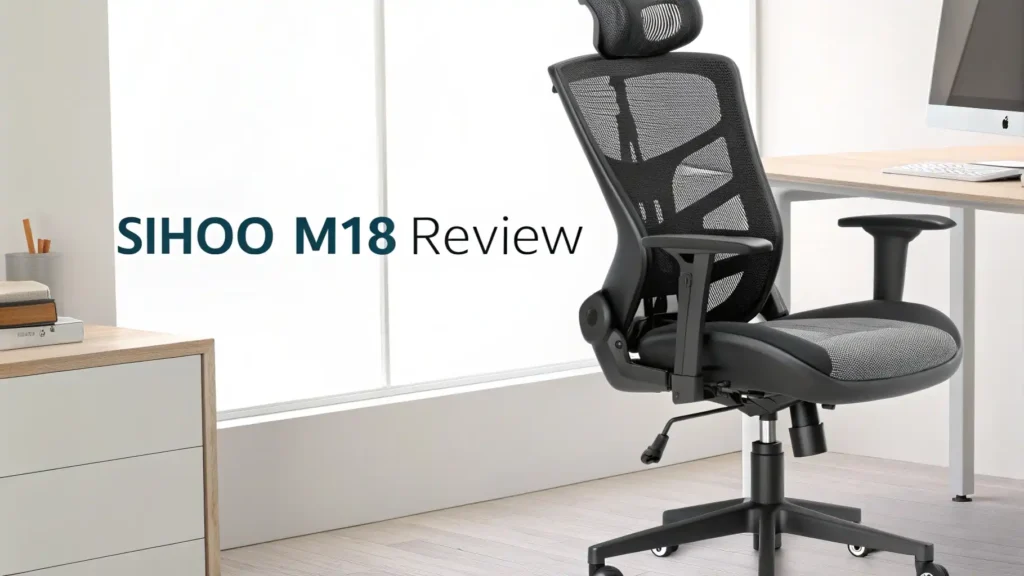
Key Takeaways
- Exceptional lumbar support system with four-way adjustability that rivals chairs costing twice as much, allowing both vertical and depth adjustments for personalized lower back care
- Impressive weight capacity of 330 pounds makes this chair suitable for big and tall users, providing stability and durability for a wide range of body types
- Breathable mesh construction throughout the backrest keeps you cool during extended sitting sessions, preventing heat buildup and sweating common with traditional padded chairs
- Budget-friendly pricing around $145 to $199 delivers professional-grade ergonomic features without the premium price tag of high-end office chairs
- Assembly challenges include confusing instructions and stiff adjustment mechanisms that require patience, though most users complete setup within 45 minutes
- Limited adjustability in certain areas like seat depth and armrest width may not suit users who need highly customizable positioning options
What Makes the Sihoo M18 Stand Out

Last update on 2026-09-04 / Affiliate links / Images from Amazon Product Advertising API
The office chair market overflows with options. Budget chairs often sacrifice quality. Premium chairs drain your wallet. The Sihoo M18 occupies a sweet spot between these extremes.
This chair brings professional-grade ergonomic features to everyday users. You get adjustable lumbar support that moves in four directions. The breathable mesh keeps air flowing across your back. The high backrest extends to support your full spine and neck.
BIFMA certification proves this chair meets rigorous industry standards for safety and durability. Major tech publications including TechRadar, Creativebloq, and GamingTrend have endorsed the M18 for various use cases. These endorsements add credibility to Sihoo’s claims about quality and performance.
The design focuses on function over flashy aesthetics. Clean lines and a professional appearance make it suitable for home offices and traditional workspaces alike. The black mesh construction blends seamlessly with most office decor. You won’t feel embarrassed having this chair visible during video calls.
What truly sets this chair apart is the value proposition. Features like four-way lumbar adjustment and 2D armrests typically appear in chairs costing $400 or more. Sihoo delivers these capabilities at a much lower price point. This democratizes ergonomic seating for people who can’t justify spending premium prices.
Comprehensive Design and Build Quality
The Sihoo M18 arrives in a compact box weighing approximately 37 pounds. The packaging protects all components well during shipping. You receive the chair completely disassembled with all necessary parts and tools included.
The mesh fabric dominates the design philosophy. Polyester mesh covers the entire backrest and seat area. This material choice provides breathability while maintaining structural support. The mesh stretches slightly under weight without sagging or losing shape.
Metal components reinforce critical stress points. The base features a sturdy five-star design with aluminum and steel construction. The gas lift cylinder uses standard pneumatic technology found in quality office chairs. The frame connecting the backrest to the seat base appears solid and well-engineered.
The seat pan measures 20 inches wide and 20 inches deep. This provides adequate space for most users without feeling oversized. The cushioning uses high-density foam beneath the mesh covering. This foam provides a softer sitting experience compared to pure mesh seats.
Wheels use polyurethane material designed for hard floors and carpets. The casters attach securely to the base. However, multiple reviewers note these wheels don’t roll as smoothly as expected. You may experience some resistance when moving the chair across your workspace.
The backrest stands 21.7 inches wide and 20.1 inches tall. This high back design supports your entire spine from lower back to shoulders. The integrated headrest adds another layer of support for your neck during reclined positions.
Build quality impresses considering the price point. Joints fit together tightly. Metal parts feel substantial rather than flimsy. The mesh stitching uses reinforced seams placed deep within the frame. This construction method protects against premature fraying at stress points.
Assembly Process and What to Expect
Setting up the Sihoo M18 requires some patience but doesn’t demand advanced skills. Most users complete assembly in 30 to 50 minutes working alone. Having a second person to hold parts can reduce this time.
The package includes all necessary tools. You receive a basic screwdriver and Allen wrench. Extra screws and bolts come in the package as backup. This thoughtful inclusion helps if you drop or misplace a small part during assembly.
The instruction manual presents some challenges. Instead of using simple letter or number labels, Sihoo uses technical hardware designations like “M6x20.” This naming convention confuses people unfamiliar with hardware specifications. You’ll spend extra time matching parts to diagrams.
Assembly steps follow a logical sequence:
- Attach the gas lift cylinder to the base
- Install casters into the five-star base
- Connect the seat pan to the mounting plate
- Attach armrests to the seat assembly
- Secure the backrest to the seat mechanism
- Install the lumbar support system
- Add the headrest to the backrest frame
- Join the seat assembly to the base
The most frustrating aspects involve aligning screw holes. Manufacturing tolerances can make some holes slightly misaligned. You may need to apply firm pressure while threading screws. This tightness actually increases structural stability once assembled.
The lumbar support mechanism requires careful installation. You must ensure the adjustment knobs move freely before fully tightening all connections. Test the lumbar adjustments before completing final assembly to avoid having to partially disassemble the chair later.
Once completed, the chair feels solid and stable. No wobbling or creaking occurs during normal use. The time investment in proper assembly pays dividends in long-term reliability and comfort.
Top 3 Alternatives for Sihoo M18

Last update on 2026-09-12 / Affiliate links / Images from Amazon Product Advertising API

Last update on 2026-08-30 / Affiliate links / Images from Amazon Product Advertising API

Last update on 2026-08-30 / Affiliate links / Images from Amazon Product Advertising API
Lumbar Support That Actually Works
The lumbar support system represents the Sihoo M18’s strongest feature. This four-way adjustable mechanism provides customization rarely found at this price point.
You can adjust the lumbar pad vertically by 1.9 inches. This allows positioning the support exactly where your lower back curves inward. Proper placement prevents slouching and maintains natural spine alignment. People with shorter or longer torsos benefit from this flexibility.
The support also moves forward and backward by 1.2 inches. This depth adjustment determines how much pressure the pad applies against your back. Some users prefer minimal contact. Others want firm support pushing their spine into proper position. The M18 accommodates both preferences.
Adjustment requires rotating two knobs on the backrest. One controls vertical position. The other controls depth. The knobs turn stiffly, requiring significant force. This stiffness frustrated multiple reviewers during initial setup. However, the resistance ensures the support stays locked in your preferred position. You won’t experience unwanted movement during use.
Finding your ideal lumbar position takes experimentation. Start with the pad at medium height and minimal forward pressure. Sit for 15 minutes and evaluate your comfort. Adjust height if the support hits above or below your natural spine curve. Increase depth if you need more pronounced support.
Be cautious about pushing the lumbar pad too deep. Excessive pressure can create discomfort rather than relief. The goal is gentle support that maintains posture without creating pressure points.
The lumbar system supports proper sitting posture during extended sessions. Users report reduced lower back pain after switching to the M18. The adjustability allows the chair to adapt as your body changes throughout the day. You can increase support when fatigue sets in or reduce it during more relaxed moments.
Seat Comfort for Extended Sitting Sessions
The seat design prioritizes comfort during marathon work sessions. The combination of mesh covering and foam padding creates a balanced feel. You get cushioning without excessive softness that promotes poor posture.
The mesh allows air circulation beneath you. This prevents the heat buildup common with traditional fabric or leather seats. Users working in warm environments particularly appreciate this breathability. You won’t experience the sweaty discomfort that occurs after hours in non-breathable chairs.
The foam padding provides approximately 2 inches of cushioning. This thickness distributes your weight evenly across the seat pan. Pressure points under your thighs remain minimal even during 8-hour work days. The high-density foam resists compression better than cheap chairs that flatten quickly.
Seat dimensions accommodate most body types comfortably. The 20-inch width provides adequate space without feeling cramped. Average-sized users fit well with room to shift positions occasionally. Larger users up to the 330-pound weight limit also report comfortable fits.
One design element receives mixed reactions. The seat features a slight W-shaped contour. This shape cradles your thighs and promotes proper weight distribution. Some users find this contouring comfortable and supportive. Others report the raised edges feel odd against their thighs. Your preference will depend on personal sensitivity and sitting style.
The seat lacks depth adjustability. The fixed 20-inch depth works for average height users. Shorter people may find their feet don’t reach the floor comfortably. Taller individuals might want more depth to fully support their thighs. A footrest can help shorter users achieve proper positioning.
Multiple reviewers describe the M18 as surprisingly comfortable for extended periods. Testers from Tech Gear Lab reported they could work full 8-hour days without significant discomfort. The combination of breathability, cushioning, and support creates an environment conducive to productivity.
Breathable Mesh Backrest Performance
The mesh backrest defines the M18’s design philosophy. This breathable material solves one of traditional office chairs’ biggest problems: heat accumulation.
Solid backs trap heat against your body. After several hours, your back becomes sweaty and uncomfortable. This distraction reduces focus and productivity. The M18’s full mesh construction eliminates this issue entirely.
Air flows freely through the mesh weave. Heat escapes continuously rather than building up. Users working in warm climates or during summer months particularly benefit. You maintain a cooler, more comfortable temperature throughout your workday.
The mesh also flexes slightly under pressure. This creates a dynamic support system that responds to your movements. When you lean back, the mesh gives gently without collapsing. This responsive quality feels more natural than rigid backrests that resist your body.
The backrest extends high enough to support most users’ full spine. At maximum height, the chair measures approximately 51 inches tall. The included headrest adds another 3.9 inches of adjustable support. This high back design benefits tall users who often find office chairs too short.
The mesh material uses polyester construction with reinforced stitching. The weave maintains its shape and tension over time. Cheaper mesh chairs often develop saggy spots where material loses integrity. The M18’s construction quality suggests it will maintain proper support for years.
Some users initially find mesh backrests less comfortable than padded alternatives. Mesh lacks the plush feeling of thick cushioning. However, most people adapt within a few days. The long-term benefits of breathability and support outweigh the initial adjustment period.
The backrest connects to a recline mechanism allowing up to 126 degrees of tilt. This generous recline range lets you shift positions dramatically. You can sit upright for focused work or recline significantly for relaxation and phone calls. The mesh remains supportive throughout the entire range of motion.
Armrest Adjustability and Comfort
The Sihoo M18 features 2D adjustable armrests. This means they adjust in two directions: height and horizontal position. You can raise or lower them and slide them forward or backward.
Height adjustment spans approximately 6.9 inches. The lowest position sits 25.8 inches from the ground. The highest extends to 32.7 inches. This range accommodates different desk heights and sitting preferences. Proper armrest height reduces shoulder strain during typing and mouse work.
Adjusting height requires pressing a button beneath each armrest. Push the button and lift or lower the arm pad. Release the button to lock the position. The mechanism engages reliably without slipping during use.
The armrests also slide forward and back along their support posts. This horizontal adjustment helps position the pads exactly where your forearms naturally rest. Users with longer or shorter arms benefit from this flexibility. Proper positioning keeps your shoulders relaxed rather than hunched forward or pulled backward.
The armrest pads use hard plastic construction. This material choice receives criticism from multiple reviewers. The pads lack cushioning found on more expensive chairs. Extended contact with these hard surfaces can become uncomfortable. Some users place soft fabric or padding over the armrests for improved comfort.
Width adjustability is notably absent. The armrests maintain fixed spacing determined by the seat width. Users who prefer narrower or wider armrest positions cannot modify this dimension. This limitation affects people who like to sit cross-legged or need wider spacing for their body type.
Despite these limitations, the armrests provide functional support for most use cases. They successfully keep your arms at proper keyboard height. They offer a place to rest during breaks. The adjustability that exists helps you find acceptable if not perfect positioning.
Headrest Design and Support
The integrated headrest adds valuable support for your neck and upper spine. This component adjusts in two directions: height and angle.
Vertical adjustment allows 3.9 inches of movement. You can position the headrest higher or lower to match your neck placement when reclined. Taller users appreciate the ability to raise it for proper contact. Shorter users can lower it to avoid awkward positioning.
The headrest also pivots on a circular axis. You can angle the cushion forward or backward by approximately 45 degrees. This rotational adjustment proves particularly useful. Angle it forward when sitting upright for gentle neck support. Tilt it backward when reclining to cradle your head comfortably.
The cushion itself uses soft padding covered in mesh fabric. The material matches the backrest for visual consistency. The padding provides enough softness for comfort without excessive squishiness.
One quirk affects headrest usability. The height and angle adjustments interact awkwardly. If you want more forward support, you typically need to raise the headrest and tilt it forward. Switching to a reclined position requires lowering it and rotating it backward. This interdependence means you can’t easily optimize the headrest for multiple sitting positions simultaneously.
The headrest attaches to the backrest frame with a sturdy connection. No wobbling or shifting occurs during use. The adjustment mechanism holds positions firmly once set.
Some users find the headrest unnecessary for upright working positions. Your head rarely contacts it when sitting forward at your desk. The headrest primarily benefits reclined positions during breaks or phone calls. If you spend most time sitting upright, this feature becomes less critical.
Reclining Function and Tilt Mechanism
The recline system allows up to 126 degrees of backward tilt. This generous range lets you shift from upright working posture to significantly reclined relaxation positions.
A tension adjustment knob beneath the seat controls recline resistance. Turn the knob to increase or decrease how much force is required to tilt backward. The knob offers approximately three distinct resistance levels with some variability between settings.
Finding proper tension takes experimentation. Too loose and the chair tilts backward too easily, potentially throwing you off balance. Too tight and you must push hard to recline, which feels restrictive and uncomfortable. The middle setting works well for most users.
Multiple reviewers note the tension knob turns very stiffly. Initial adjustment requires significant strength. One tester reported needing to use full body weight to turn it. This stiffness decreases slightly with use but remains firmer than average. The resistance ensures the setting stays locked once adjusted.
The recline mechanism uses a synchronized tilt design. The seat pan and backrest move together as you lean back. This maintains proper positioning relative to your body throughout the recline range. Some cheaper chairs tilt only the backrest, which can feel awkward and unsupportive.
A tilt lock lever allows fixing the chair in an upright position. Engage this lock when you want the chair completely stable without any backward movement. Disengage it to enable free reclining motion. The lock engages and releases easily without sticking.
The recline function serves multiple purposes during long work sessions. You can lean back periodically to relieve lower back pressure. The position change improves circulation and prevents stiffness from maintaining one posture too long. Phone calls and video conferences become more comfortable when you can recline slightly.
The mesh backrest remains supportive throughout the recline range. The material flexes appropriately without losing structural integrity. You won’t experience the unsupported feeling that occurs when cheap mesh stretches too much.
Wheel Performance and Mobility
The chair includes five polyurethane casters designed for use on various floor types. These wheels work on hardwood, tile, laminate, and low-pile carpet. The material prevents scratching hard surfaces while providing smoother rolling than hard plastic wheels.
Unfortunately, wheel performance represents one of the M18’s weakest aspects. Multiple independent reviewers immediately noticed poor rolling characteristics. The wheels don’t glide smoothly across surfaces. You must push harder than expected to move the chair.
Directional control also suffers. The wheels resist changing direction, creating a sluggish feel when trying to rotate or reposition. One reviewer described instantly noticing the poor wheel performance upon first sitting in the chair. This issue affects daily usability if you frequently move around your workspace.
The wheels attach securely to the base with standard push-in connections. Removal and replacement would be straightforward if you choose to upgrade to better casters. Many users of budget office chairs replace stock wheels with aftermarket options designed for smoother operation.
If your work style involves staying relatively stationary, the wheel limitations matter less. You can position the chair at your desk and work without moving frequently. The poor rolling mainly affects users who roll between multiple workstations or habitually move while working.
The chair remains stable when stationary. The five-point base provides excellent balance. No tipping or wobbling occurs during normal seated movements. The gas lift maintains proper height without sinking or drifting during use.
Weight Capacity and Durability
The Sihoo M18 supports up to 330 pounds maximum weight. This capacity exceeds many budget office chairs that typically max out around 250 pounds. The higher limit makes this chair suitable for big and tall users who often struggle to find affordable seating options.
Chairs with inadequate weight capacity feel unstable and wear out quickly when used near their limits. The M18’s robust design maintains structural integrity even at higher weights. The reinforced base and heavy-duty gas lift cylinder handle the load without compromising performance.
Long-term durability depends on build quality and material choices. The M18 uses metal construction at critical stress points. The base, legs, and armrest supports use aluminum and steel rather than plastic. This material selection suggests the chair can withstand years of regular use.
The mesh fabric shows no signs of premature sagging or stretching in short-term testing. The polyester weave maintains its shape and tension. The reinforced stitching uses a construction method that places seams deep within the frame. This protects edges from fraying that typically occurs first in mesh chairs.
The foam seat cushioning uses high-density material resistant to compression. Cheap foam flattens quickly, creating hard spots where you feel the seat pan beneath. The M18’s foam maintains its cushioning properties better than budget alternatives. However, all foam compresses somewhat over time. Expect gradual molding to your body shape over months and years.
The BIFMA certification provides third-party verification of quality standards. BIFMA tests include durability, stability, and structural adequacy. Passing these tests indicates the chair meets professional office furniture standards rather than cheap consumer-grade benchmarks.
Sihoo backs the M18 with a three-year warranty. This coverage period exceeds many budget chairs that offer only one year. The warranty provides confidence that the manufacturer stands behind their product. However, actual longevity depends on your usage patterns and body weight.
Multiple reviewers express confidence the chair will last at least three years with regular use. Some predict five years or more of reliable service. This longevity combined with the modest price creates excellent value over the chair’s lifetime.
Real User Experience After Extended Use
Testing chairs for hours reveals issues that don’t appear in short trials. Multiple reviewers spent full workdays in the M18 to evaluate real-world performance.
Tech Gear Lab testers reported they could work nearly complete 8-hour days without significant discomfort. One reviewer gave the seat a perfect 10/10 comfort rating. Another joked the chair might be too comfortable, risking naps if used with an optional footrest. These positive reactions indicate the chair succeeds at its primary goal: comfortable extended sitting.
The lumbar support receives consistent praise from users with back problems. Multiple people report reduced pain after switching from other chairs. The ability to position support exactly where needed makes a measurable difference in comfort and posture maintenance.
The breathable mesh proves its value during long sessions. Users in warm environments note staying cooler throughout the day. The continuous airflow prevents the sweaty back syndrome common with padded chairs. This seemingly minor benefit significantly impacts overall comfort during summer months.
Some users need adjustment time when first using the chair. The mesh backrest feels different from traditional padding. The lumbar support may feel too prominent until properly positioned. Most people adapt within a few days as they dial in their preferred settings.
The armrest hardness remains a consistent complaint. Users who rest their forearms heavily on the armrests find the hard plastic uncomfortable. Some place towels or cushions over the armrests. Others adjust their sitting style to reduce armrest contact. This limitation doesn’t ruin the overall experience but represents a clear area for improvement.
Gamers report positive experiences during extended gaming sessions. The recline function and headrest provide comfortable positions for controller gaming. The breathability prevents overheating during intense gameplay. The chair handles the active movements and position changes common during gaming.
Office workers appreciate the professional appearance suitable for video conferences. The chair looks appropriate in home office backgrounds. The adjustability accommodates different tasks throughout the workday. You can sit upright for focused typing or recline for reading documents.
Comparing Sihoo M18 to Premium Alternatives
How does the M18 stack up against expensive ergonomic chairs? Understanding these comparisons helps evaluate whether the budget option meets your needs or if investing more makes sense.
Herman Miller Aeron costs approximately $1,200 to $1,800. This premium chair offers more extensive adjustability including armrest width and seat depth. The mesh uses higher quality materials with longer lifespan. The build quality exceeds the M18 in every measurable way. However, you pay eight to twelve times more. For users who can afford it, the Aeron provides superior long-term value. Budget-conscious buyers won’t find the experience eight times better.
Steelcase Leap ranges from $900 to $1,300. It features exceptional adjustability and a 400-pound weight capacity. The LiveBack technology provides more sophisticated spine support. The premium materials and construction justify the higher price for professional environments. The M18 delivers perhaps 70% of the Leap’s performance at 15% of the cost. This makes it attractive for home offices where budget matters more than ultimate quality.
Autonomous ErgoChair Pro costs around $350 to $450. This mid-range option provides similar features to the M18 including mesh construction and adjustable lumbar support. Build quality slightly exceeds the M18. The additional $200+ investment buys incremental improvements rather than transformative differences. Users happy with the M18’s performance won’t gain dramatically from upgrading to this tier.
The M18 competes most directly with chairs in the $150 to $250 price range. In this bracket, it stands out for lumbar support quality. Most competitors offer fixed or minimally adjustable lumbar systems. The M18’s four-way adjustment provides premium-chair functionality at budget pricing.
Value depends on your personal priorities. If you work 10+ hours daily and can afford premium chairs, investing more makes sense. Your chair becomes one of your most-used possessions. However, if budget constrains your options or you work shorter hours, the M18 delivers surprisingly good ergonomics without financial strain.
Who Should Buy the Sihoo M18
The M18 serves specific user groups particularly well while being less ideal for others.
Remote workers on limited budgets find excellent value here. You get legitimate ergonomic support without spending premium chair prices. The breathable mesh and lumbar support help maintain comfort during long workdays. The professional appearance works well for video conferences.
Students spending long hours studying benefit from the comfort and support. The lower price point fits student budgets better than expensive alternatives. The chair grows with you through years of education. Parents buying chairs for college students get quality that justifies the investment.
Gamers seeking comfortable seating for extended play sessions will appreciate the breathability and recline function. The chair handles active movements well. The weight capacity accommodates larger gamers. The price leaves budget for other gaming equipment.
Big and tall users struggling to find affordable chairs with adequate weight capacity should consider the M18. The 330-pound limit exceeds many budget chairs. The high backrest accommodates taller torsos. The sturdy construction maintains stability for larger body types.
Home office workers furnishing new workspaces find the M18 delivers professional ergonomics at reasonable cost. You can outfit your home office without massive investment. The chair provides enough adjustability for different tasks throughout your workday.
The M18 works less well for certain users. If you need highly customizable seating with extensive adjustment options, premium chairs provide more flexibility. Users requiring seat depth adjustment or armrest width modification won’t find those features here.
People with mobility limitations or arthritis may struggle with the stiff adjustment mechanisms. The lumbar knobs and tension control require significant force to operate. Smoother, easier adjustments exist on higher-end chairs.
Users who share chairs with others may find the adjustment hassles frustrating. If multiple people with different body types use the chair, the difficult adjustments become a daily annoyance. Dedicated personal chairs suit the M18 better than shared environments.
Maintenance and Long-Term Care
Proper maintenance extends the M18’s lifespan and preserves comfort.
The mesh material requires regular cleaning. Dust and debris accumulate in the weave over time. Vacuum the backrest and seat weekly using an upholstery attachment. This prevents buildup that can damage fibers or create odors. For deeper cleaning, use mild soap and water with a soft cloth. Avoid harsh chemicals that might degrade the polyester.
Armrests and plastic parts clean easily with damp cloths. The hard surfaces don’t absorb stains or odors. Regular wiping prevents grime accumulation. Clean the wheels periodically to remove hair and debris that impedes rolling.
The gas lift cylinder occasionally needs lubrication. If you notice squeaking or resistance when adjusting height, apply silicone spray lubricant. This maintenance task takes minutes but significantly improves performance.
Check bolts and screws every few months. Tighten any that have loosened from regular use. This prevents wobbling and maintains structural integrity. Keep the included Allen wrench in a safe place for these occasional adjustments.
The lumbar support mechanism may require adjustment as the chair breaks in. If you notice the support shifting during use, tighten the adjustment knobs slightly. The goal is maintaining your preferred position without excessive resistance.
Consider replacing the wheels if rolling performance bothers you. Aftermarket office chair casters cost $20 to $40. Upgraded wheels dramatically improve mobility. Installation requires only pulling out old casters and pushing in new ones.
Protect the chair from direct sunlight when possible. UV exposure degrades mesh materials over time. Position your chair away from windows or use window coverings during peak sun hours. This simple step extends fabric life significantly.
Is the Sihoo M18 Worth Buying in 2026
The Sihoo M18 delivers remarkable value in the budget office chair category. It brings features typically reserved for premium models down to an accessible price point. The four-way adjustable lumbar support alone justifies consideration for people with back problems.
Strengths clearly outweigh weaknesses for budget-conscious buyers. You get legitimate ergonomic support, breathable construction, and professional appearance. The 330-pound weight capacity and high backrest accommodate larger users often underserved by budget options. The chair performs well during extended sitting sessions based on real-world testing.
Limitations exist but remain acceptable given the price. The stiff adjustment mechanisms frustrate during initial setup but don’t affect daily use once configured. The hard armrests could use padding but serve their basic function. The poor wheel performance represents the most significant practical drawback, though upgrading casters solves this issue affordably.
The M18 particularly excels for first-time ergonomic chair buyers. If you’re upgrading from a basic chair lacking lumbar support, the improvement will feel dramatic. You’ll immediately notice better posture support and reduced back strain. The experience won’t match thousand-dollar chairs but provides 70% of the benefit at 15% of the cost.
Value calculations favor the M18 when comparing cost per year of use. If the chair lasts three years, you’ve spent roughly $50 to $65 annually for proper ergonomic seating. This represents excellent return on investment compared to both cheaper chairs that wear out quickly and premium options with higher initial costs.
The chair makes less sense if you have specific needs it doesn’t address. Users requiring seat depth adjustment, armrest width modification, or ultra-smooth controls should look elsewhere. Premium chairs justify their cost for people with particular ergonomic requirements or professional office standards to maintain.
For 2026, the M18 remains a competitive choice in its price category. While newer models constantly enter the market, few match its combination of adjustability, build quality, and affordability. It represents a proven option with thousands of satisfied users and positive professional reviews.
Final Verdict on the Sihoo M18
The Sihoo M18 succeeds as a budget ergonomic chair that doesn’t feel cheap. It delivers on core promises of comfort, support, and breathability during extended use. The four-way lumbar adjustment provides customization that benefits users with back problems or long sitting hours.
This chair works best for individuals on limited budgets who still prioritize proper ergonomics. Remote workers, students, gamers, and home office workers find excellent value here. The combination of features, build quality, and price creates a compelling package difficult to match in this category.
Yes, premium chairs offer superior experiences. But the M18 proves you don’t need to spend a thousand dollars to achieve comfortable, supportive seating. It represents the democratization of ergonomic design, making proper support accessible to people who can’t justify luxury furniture spending.
If the Sihoo M18 fits your budget and meets your adjustability needs, it offers excellent value. You’ll gain meaningful improvements in comfort and posture compared to basic chairs. The investment pays dividends in reduced pain, better focus, and healthier sitting habits over years of use.
Frequently Asked Questions
How long does the Sihoo M18 take to assemble?
Most people complete assembly in 30 to 50 minutes working alone. The process doesn’t require advanced skills or special tools since everything needed comes in the box. Having a second person to hold parts during certain steps can reduce assembly time by 10 to 15 minutes. The main time investment involves matching hardware to the somewhat confusing instruction diagrams. Once you identify the correct parts, actual assembly proceeds straightforward.
Can the Sihoo M18 support users over 300 pounds?
Yes, the chair has a maximum weight capacity of 330 pounds. The reinforced base and heavy-duty gas lift cylinder maintain stability and proper function even at higher weights. Multiple reviewers near the upper weight limit report comfortable, stable experiences without wobbling or structural concerns. The chair specifically markets itself to big and tall users based on this robust weight capacity.
Does the mesh backrest sag or stretch out over time?
The polyester mesh uses high-quality construction with reinforced stitching that resists sagging better than cheap mesh chairs. Short and medium-term testing shows the mesh maintains its shape and tension well. The stitching placement deep within the frame protects against premature fraying. While all mesh eventually shows some wear with years of use, the M18’s construction suggests it will maintain proper support throughout the three-year warranty period and beyond.
Can you replace the wheels if they don’t roll smoothly?
Yes, the standard casters remove and replace easily. The wheels use common push-in connections found on most office chairs. Aftermarket replacement wheels cost between $20 and $40 for a set of five. Many users upgrade to rollerblade-style casters that roll much more smoothly on all surface types. Installation takes just minutes by pulling out the old wheels and pushing in the new ones until they click into place.
Is the Sihoo M18 good for people under 5 feet 4 inches tall?
The chair can work for shorter users but may not be optimal. The seat height adjusts down to approximately 16.9 inches from the ground. This allows most people 5 feet 2 inches and taller to sit with feet flat on the floor. Shorter individuals may need a footrest to achieve proper positioning. The lack of seat depth adjustment means shorter users cannot reduce the distance from the backrest to the front of the seat, which can affect comfort and support.
How do you adjust the lumbar support properly?
Two knobs on the backrest control lumbar position. The top knob adjusts vertical height up and down by 1.9 inches. The lower knob controls depth, moving the lumbar pad forward and backward by 1.2 inches. Start with the pad at medium height and minimal forward pressure. Sit for 15 minutes and evaluate comfort. Adjust height so the pad contacts your spine’s natural inward curve at the small of your back. Then adjust depth to provide gentle support without creating excessive pressure. Finding optimal position requires patience and experimentation.
What is the return policy if the chair doesn’t work for you?
Amazon offers standard return policies for the M18, typically 30 days from purchase date. When buying directly from Sihoo’s website, they provide a 30-day trial and return policy. This gives you adequate time to test the chair during regular work sessions and determine if it meets your comfort and support needs. Keep the original packaging during the trial period to simplify returns if necessary.
Does the chair work well on carpet or only hard floors?
The polyurethane casters work on both hard floors and low-pile carpet. The wheel material prevents scratching hardwood, tile, or laminate surfaces while providing enough grip for carpeted areas. However, the generally poor rolling performance affects both surface types. The wheels require more force to roll than quality office chairs regardless of floor type. If you work on thick carpet, you may experience even more resistance when trying to move the chair.

Eulalia is a passionate home improvement enthusiast with years of experience testing and reviewing home products to help families make informed purchasing decisions. Through HomeReviewer.blog, she shares honest, detailed reviews and practical guides to create better living spaces for everyone.